Introduction
A handwritten letter paired with one small, specific object outperforms a generic gift because it requires you to remember something true about the person, not just their general preferences. The object doesn't need to be expensive — it needs to connect to a real shared memory.
This works for birthdays, graduations, thank-yous, or farewells precisely because it scales to the moment rather than needing to match a price point.
At a glance
- Who it’s for
- A birthday, a thank-you, a graduation, a reconciliation, or a farewell.
- Expected cost
- $5-$20 for paper, envelope, and postage, plus whatever the small object costs
- Time needed
- About 45 minutes to write, plus time to select and prepare the object
Supplies & preparation
- letter paper
- an envelope
- a good pen
- scrap paper
- a phone or photo archive
- a small related object
- postage or gift wrap
- a quiet 45-minute block
- a delivery plan
Step-by-step
-
Pick one specific memory, not a general theme
Instead of writing broadly about how much someone means to you, choose one specific, concrete memory — a particular conversation, a trip, a moment they helped you — and build the letter around it.
-
Draft on scrap paper before writing the final copy
Write a rough draft first so you're not crossing out mistakes on the good paper. This also lets you cut anything that reads as generic once you see it written out.
-
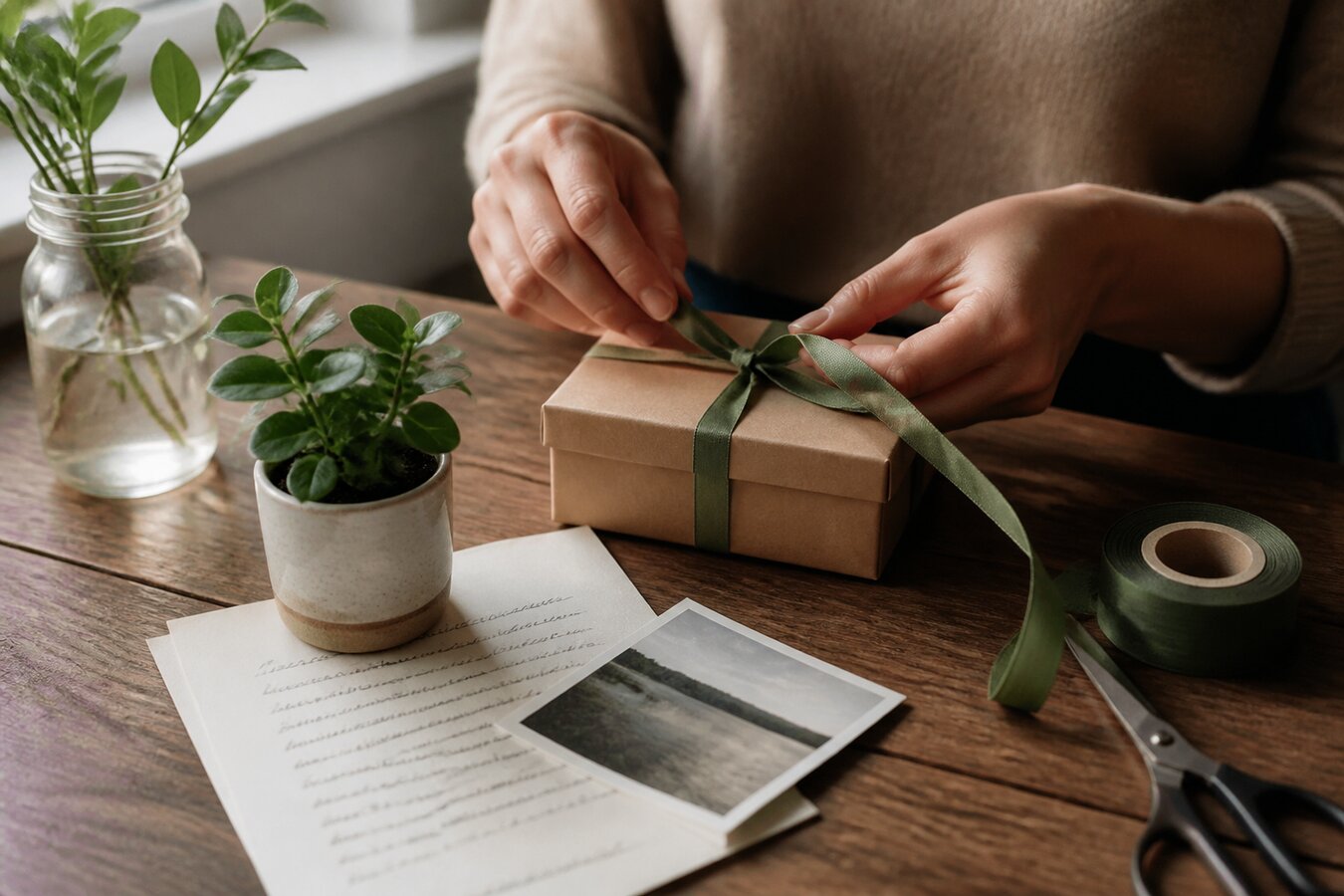
Choose one object that connects to the memory
The object should relate directly to what you wrote about — a ticket stub, a photo, a small item from a shared trip or inside joke — rather than a generic gift chosen separately from the letter.
-
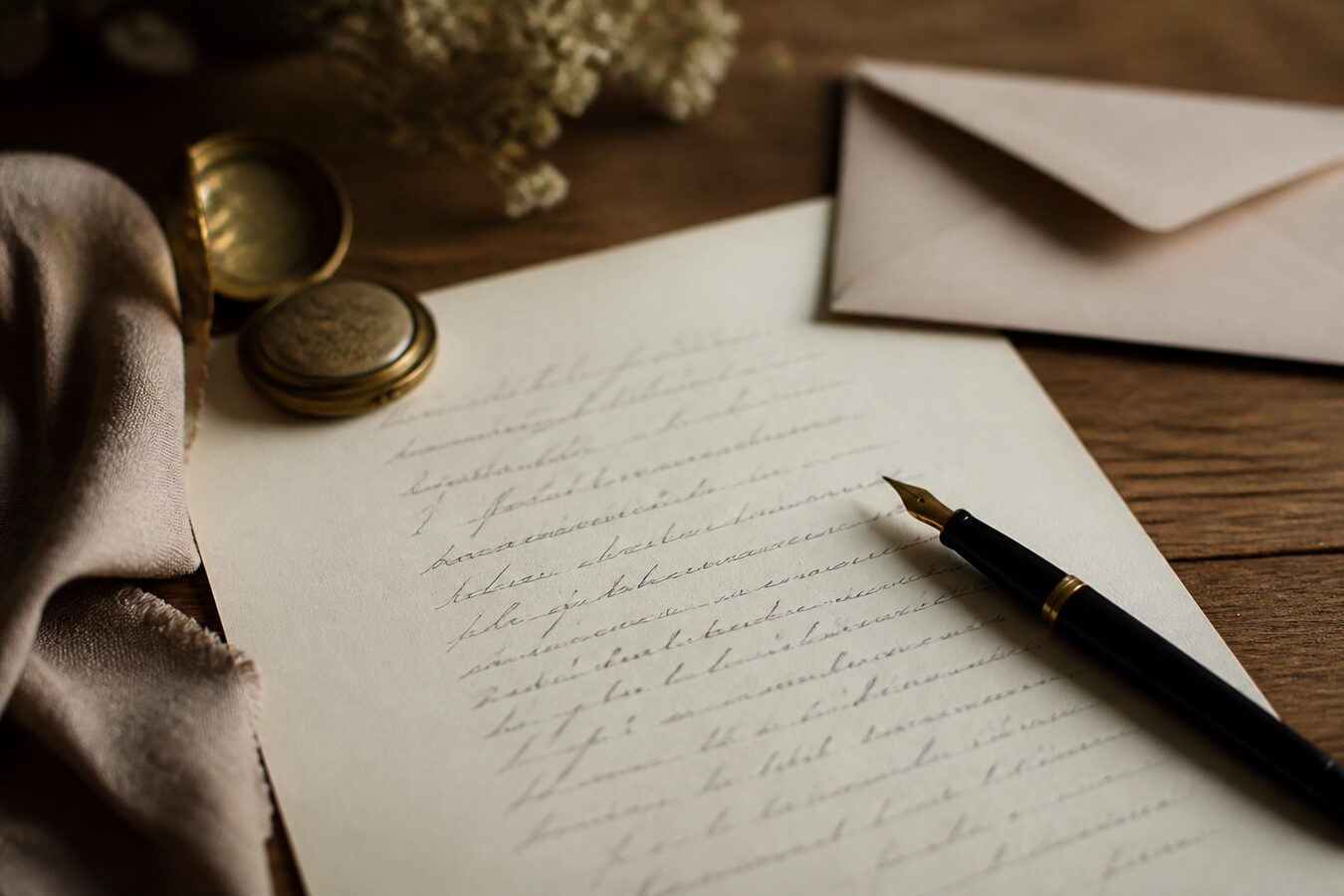
Write the final letter in a focused 45-minute block
Set aside an uninterrupted block rather than writing a few lines at a time across several days, which tends to produce a disjointed letter that loses its thread.
-
Read it aloud once before sealing the envelope
Reading the letter out loud catches phrases that sound stiff or overly formal on paper — cut anything that doesn't sound like how you'd actually talk to this person.
-
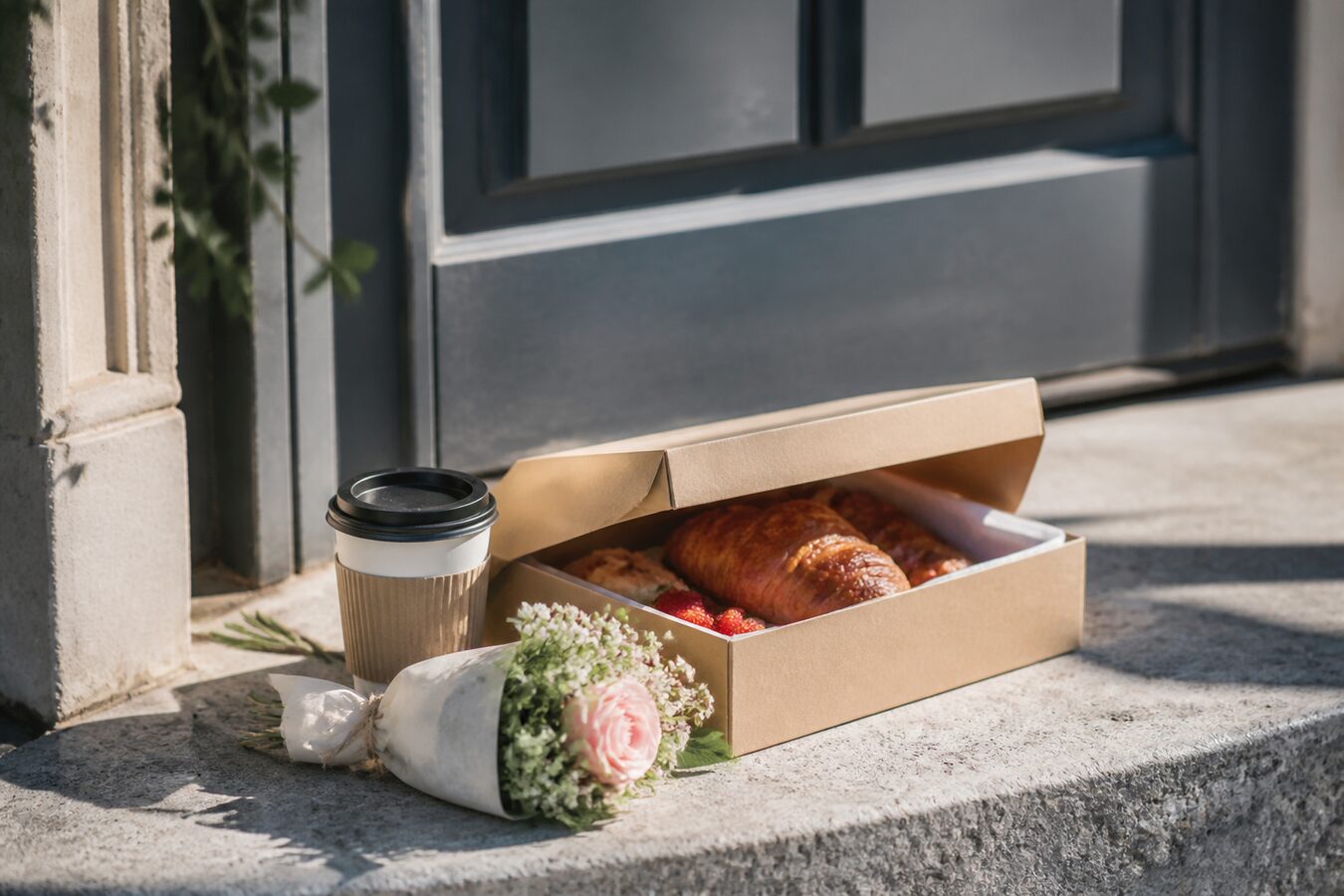
Decide on delivery: mailed, handed over, or left as a surprise
Choose the delivery method based on the relationship and occasion — mailing adds anticipation, handing it over allows an immediate reaction, and leaving it as a surprise fits certain personalities better than others.
-
Don't over-explain the gift when you give it
Let the letter do the explaining. Handing it over with a long verbal preamble about how you weren't sure what to write undercuts the effect of the letter itself.
Common mistakes
- Writing broadly about someone's general qualities instead of anchoring the letter in one specific memory.
- Choosing an object first and writing the letter to justify it, instead of letting the memory determine the object.
- Writing across many short sessions instead of one focused block, producing a letter that doesn't flow.
- Skipping the read-aloud step, leaving in phrases that sound unnatural once actually spoken.
- Undermining the letter with a long spoken explanation when handing it over.
Variations for different budgets
Budget
Use paper and a pen you already own, and choose a free or nearly-free object — a printed photo, a pressed flower, a handwritten recipe.
Mid-range
Buy quality letter paper or a card, and pair it with a modest, specific object like a small framed photo or a themed small book.
Splurge
Have the letter professionally framed alongside the object, or commission a small custom item (engraving, a printed photo book) that incorporates the memory directly.
Practical considerations
Use ordinary judgment about what personal history to reference in writing, especially for sensitive topics like loss or conflict.
Printable checklist
The Memory Letter Gift