Introduction
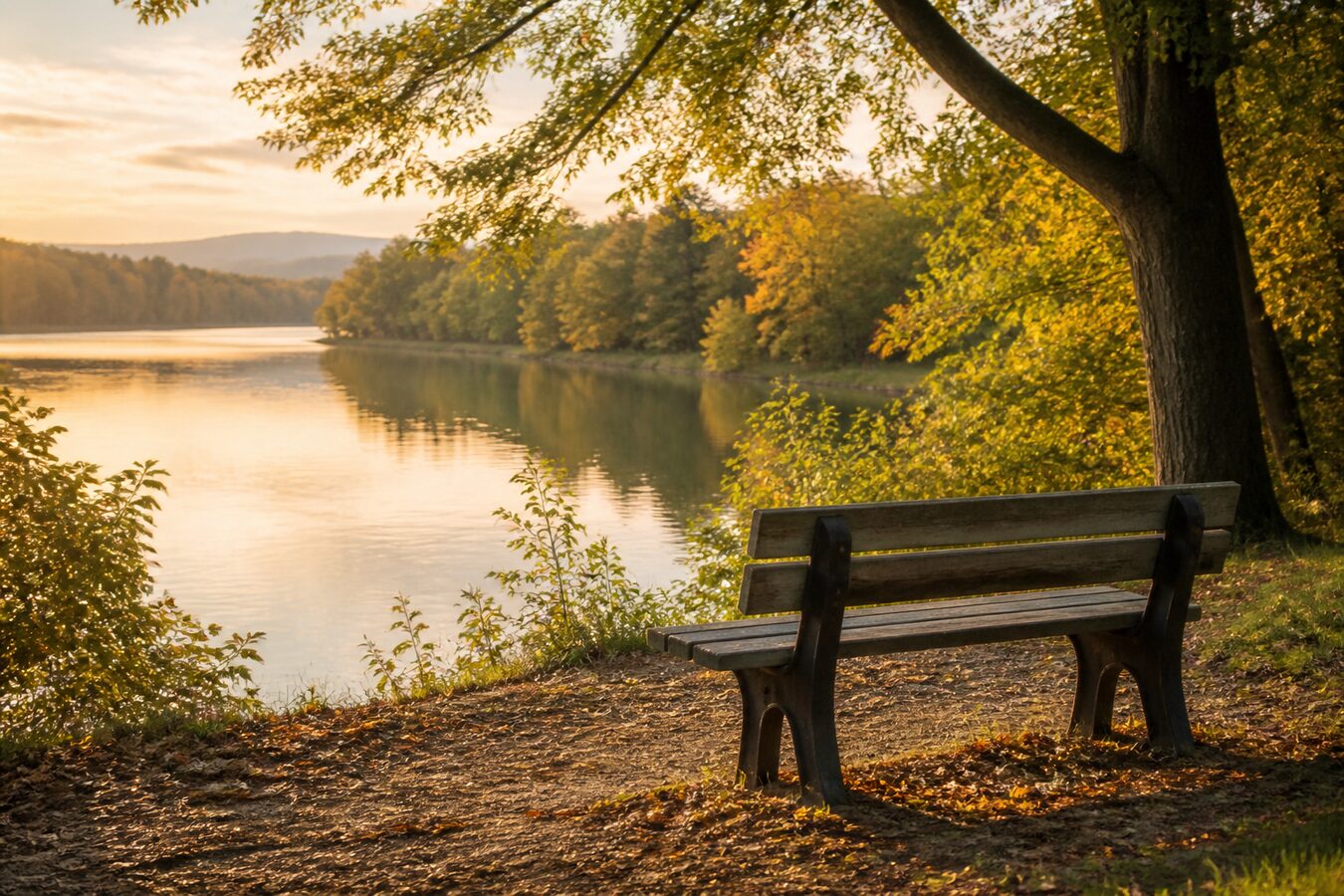
Choosing one specific outdoor spot — a bench, a spot on a trail, a section of shoreline — and returning to it a few times a year, rather than always seeking somewhere new, builds a different kind of relationship with a place than a one-time visit ever does.
The spot doesn't need to be remote or dramatic; a consistent, safe, accessible location works better than an impressive one you rarely return to.
At a glance
- Who it’s for
- Someone with access to a safe local bench, park edge, porch, trail, or shoreline.
- Expected cost
- $0
- Time needed
- 15-30 minutes per visit
Supplies & preparation
- weather layer
- comfortable seat or pad
- water
- sun protection
- insect protection if appropriate
- charged phone
- small notebook
- pen
- route plan
- local access information
Step-by-step
-
Choose a spot within a reasonable, repeatable distance
Pick somewhere close enough that returning several times a year is realistic — a nearby park, a section of a local trail, a spot along a familiar shoreline.
-
Confirm it's safe and legally accessible
Check that the spot isn't on private property without permission and doesn't require unsafe access — this should be a place you can return to without complication.
-
Sit for at least fifteen minutes without a specific task
Give the spot enough time for your attention to settle — the first five minutes are usually still mentally occupied with whatever you were doing before you arrived.
-
Notice what's different from your last visit
If this isn't your first time at the spot, actively compare it to what you remember — season, weather, wildlife, how the light falls. This comparison is what builds the sense of place over repeated visits.
-
Bring a small notebook for brief observations
A line or two per visit — date, weather, one thing noticed — builds a small record you can look back on across seasons or years.
-
Return at a different time of day occasionally
The same spot can feel entirely different in early morning versus late afternoon — varying your visit time reveals more about the location than always going at the same hour.
-
Resist turning it into a task-oriented visit
Avoid bringing work, calls, or an agenda to this specific spot — its value comes from being the one place you visit without an accompanying task.
Common mistakes
- Choosing a spot too far away to realistically visit more than once.
- Not checking access or safety, ending up somewhere you can't comfortably return to.
- Rushing the visit instead of sitting long enough for attention to actually settle.
- Only visiting at the same time of day, missing how different the spot feels at other hours.
- Bringing work or an agenda, turning the spot into another task-oriented location.
Variations for different budgets
Budget
Choose a free public spot like a park bench or accessible shoreline within walking distance.
Mid-range
Choose a spot that requires a short drive but offers a nicer setting, like a state park or nature preserve.
Splurge
Invest in a portable comfortable seat or cushion specifically for this spot, and visit during a planned day trip a few times a year.
Practical considerations
Check the location's safety and legal access before your first visit, and let someone know where you are if the spot is remote.
Choosing a spot you can actually return to
A good sit spot is close enough to visit often (ideally within a short walk), legally accessible year-round, and safe to sit still in — check that it's not a route regularly used by fast-moving cyclists, off-leash dogs, or vehicles. A spot that requires a special trip defeats the purpose of a repeatable ritual.
In areas with ticks, poison ivy, or seasonal wildlife activity, a quick check of local health department or park advisories before your first visit is worth the two minutes it takes.
Printable checklist
Claim a Nature Sit Spot