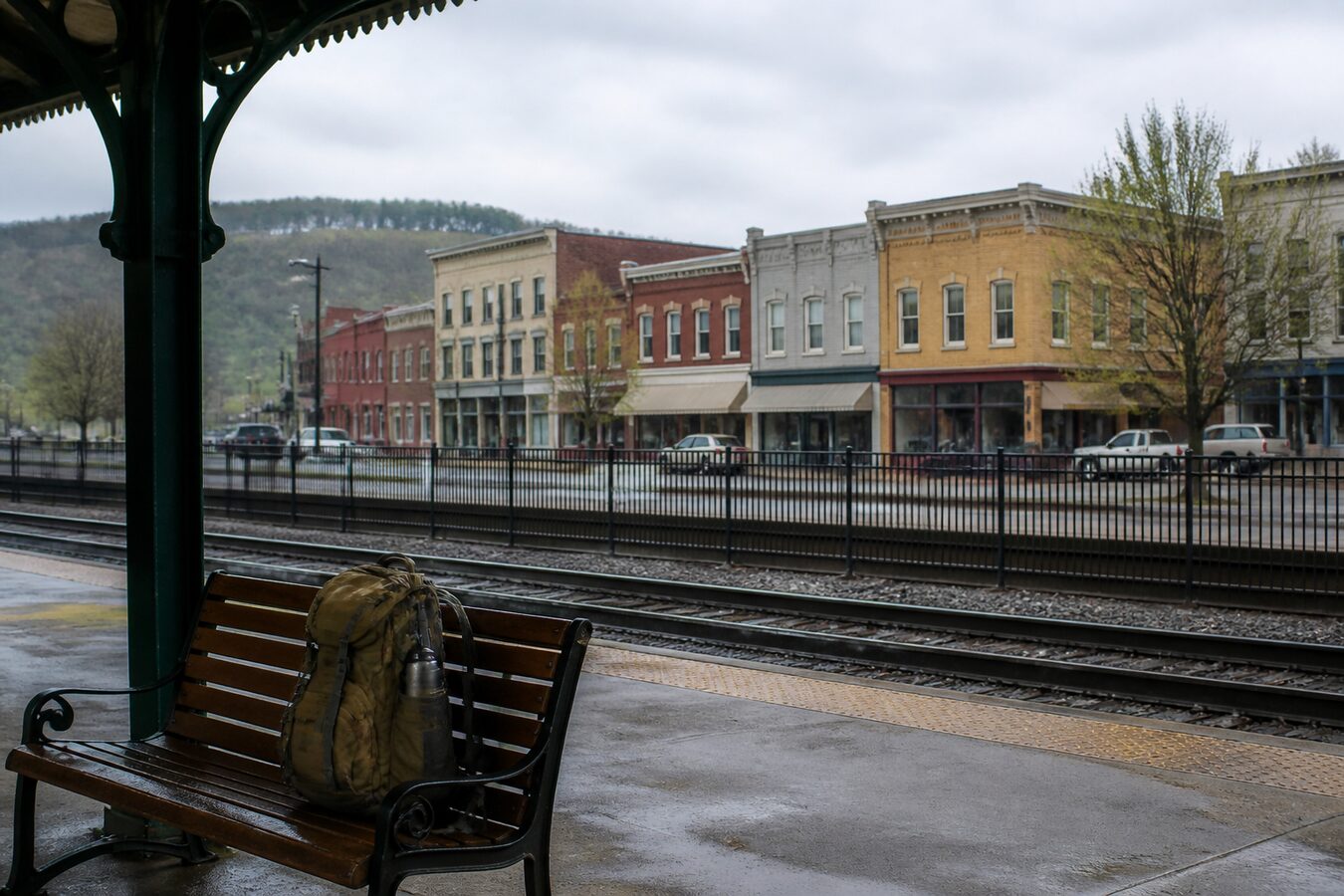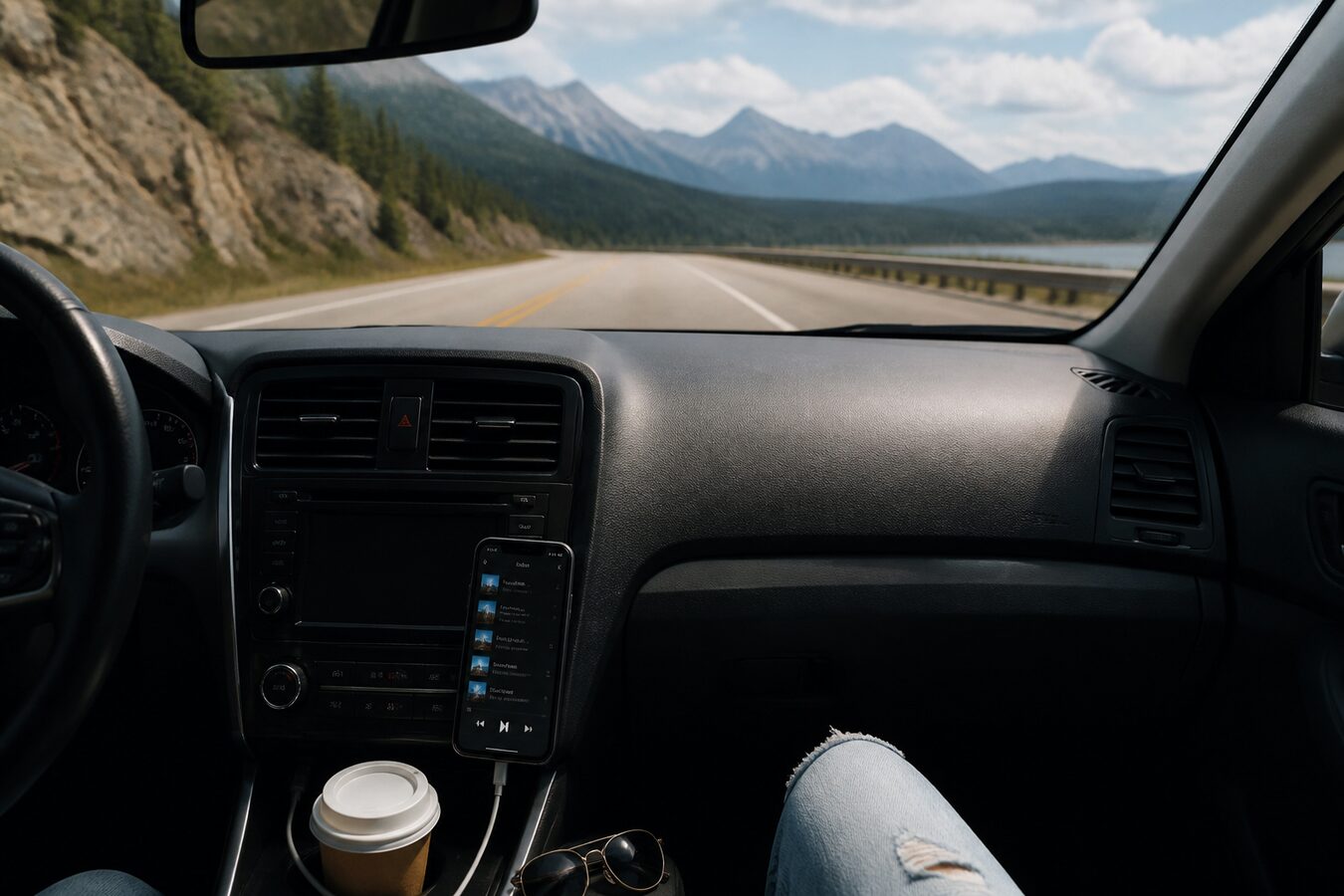
Introduction
A two-night trip only feels restorative if you resist the urge to fill it. The formula that works best is one planned anchor per day — a hike, a meal reservation, a museum — with everything else left loose enough that you're not managing a schedule on your day off.
Pick a destination inside a half-day's travel so you're not losing a full day to transit in each direction. The goal is two full days somewhere different, not four days of travel bookending one afternoon there.
At a glance
- Who it’s for
- People who want a protected two-night getaway to feel considered but not overproduced.
- Expected cost
- $180-$850 for two people; lodging, transport, and one planned experience drive cost
- Time needed
- Prep 60-90 minutes; active travel 48 hours; total Friday evening through Sunday
Supplies & preparation
- small bag
- walking shoes
- weather layer
- charger
- power bank
- identification
- payment card
- water bottle
- book
- offline map
- reservation details
- snack
Step-by-step
-
Choose a destination by drive or flight time, not by hype
Aim for somewhere 1.5 to 4 hours away by car, or a short flight with no connections. Anything longer eats into the 48 hours you're trying to protect. Pick a place with at least one thing you're genuinely curious about, not the most photographed option.
-
Book the one anchor for each day
Reserve a dinner, a trailhead permit, a museum timed-entry ticket, or a class — one planned thing per day is enough. Leave the rest of each day unscheduled so you have room to wander, rest, or change plans without losing the trip's structure.
-
Pack light and pack the night before
A carry-on or weekend bag with layers for the actual forecast, comfortable walking shoes, and a phone charger covers most two-night trips. Packing the night before means you are not scrambling in the morning and losing the first few hours to it.
-
Leave with a buffer, not a deadline
Depart earlier than feels necessary so traffic, a delayed flight, or a wrong turn doesn't compress the trip into one rushed day. Arriving with daylight left to spare gives you a first evening instead of a lost one.
-
Protect one unscheduled block each day
Resist filling every hour. A two- to three-hour open window in the afternoon is where the trip actually starts to feel different from your regular schedule — use it to wander, nap, or follow something unplanned.
-
Do a light gear and bill check before checkout
The morning you leave, settle any incidentals, do a five-minute sweep of the room for chargers and small items left behind, and check out formally if the property expects it, so you are not troubleshooting a missed charge next week.
-
Bring back one thing worth repeating
On the drive or flight home, note the one thing — a restaurant, a trail, a specific room — that made the trip worth it. That's the detail that turns a good weekend into a place you'd actually plan to return to.
Common mistakes
- Scheduling every hour of both days, which turns a reset trip into a second job with a checklist.
- Choosing a destination more than four hours away, which quietly turns 48 hours into a travel day plus one real day.
- Packing the morning of departure, which tends to push the actual leave time hours later than planned.
- Booking a nonrefundable anchor activity for both days when weather or energy might reasonably knock one out.
- Treating the return drive as part of the trip instead of building in a buffer before you need to be back.
Variations for different budgets
Budget
Drive instead of fly, stay at a mid-tier hotel or a modest short-term rental, and choose one paid anchor activity — usually a meal — while keeping everything else free (hiking, walking a downtown, a public beach or park).
Mid-range
Add one paid experience per day (a guided tour, a tasting, a class) and upgrade one meal to a reservation worth planning around, while keeping lodging comfortable but not extravagant.
Splurge
Book a destination that requires a short flight, choose a property with a notable view or amenity, and treat one dinner as the trip's centerpiece — but still leave one unscheduled afternoon block.
Practical considerations
Share your destination and expected return time with someone, keep a charged phone and printed or downloaded confirmations in case of poor signal, and check the property's cancellation policy before booking.
Printable checklist
The 48-Hour Reset Getaway Plan