Introduction
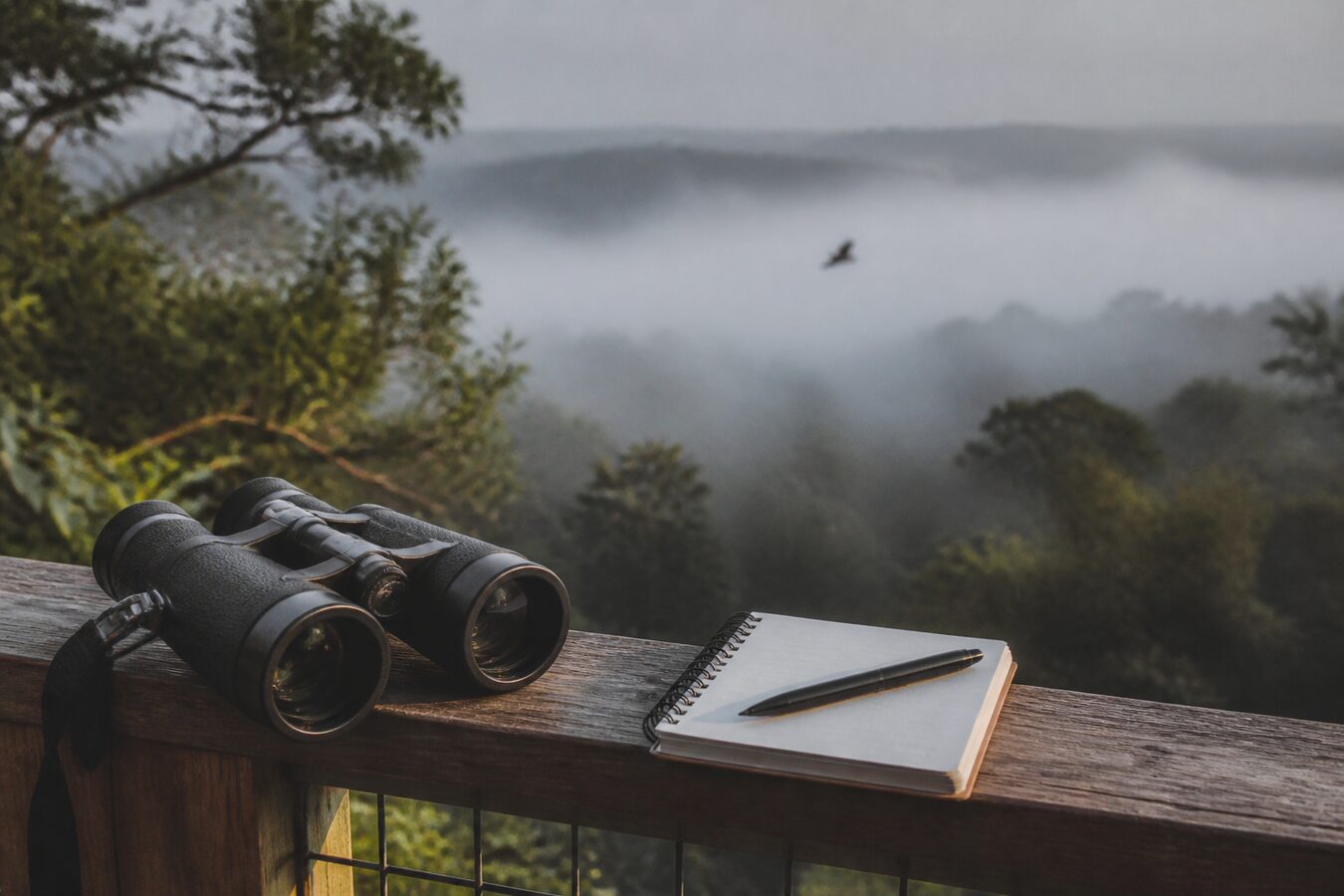
You don't need to travel to see birds worth noticing — a local park, greenway, or even a backyard usually has more activity going on than a normal walk lets you register. An hour with binoculars or a phone identification app, done consistently, builds a genuine sense of place.
The habit works best attached to a specific, repeatable time and location rather than a vague intention to 'get into birding.'
At a glance
- Who it’s for
- For anyone who wants a repeatable nature practice close to home.
- Expected cost
- $0-$30 for a basic pair of binoculars if you don't already own any
- Time needed
- one hour
Supplies & preparation
- binoculars optional
- field guide or identification app
- notebook
- pen
- weather layer
- comfortable shoes
- water bottle
- hat
- insect repellent
- small sit pad
- phone battery pack
- local trail map
Step-by-step
-
Pick one specific green space within 15 minutes of home
Choose somewhere close enough that this can become a repeatable hour, not a special trip — a park, a trail, a pond, or even a backyard with some tree cover.
-
Go in early morning or the last two hours before dusk
Bird activity is highest during these windows; a midday visit in full sun tends to be quieter and less rewarding, especially for a first attempt.
-
Download an identification app before you go
Apps that identify birds by photo or song (several free options exist) remove the barrier of needing prior knowledge — point, listen, or photograph, and get a likely match on the spot.
-
Move slowly and stop often, rather than walking a route
Birding rewards stillness more than distance covered — find a spot with good visibility and stay for five to ten minutes before moving to the next one, rather than walking briskly through.
-
Listen before you look
Birds are often heard well before they're seen, especially in dense trees. Pause and listen for a distinct call, then scan the direction it came from rather than scanning randomly.
-
Log what you see, even briefly
A one-line note — species, behavior, location — in a phone note or small notebook turns a pleasant hour into a small ongoing record you can look back on months later.
-
Return to the same spot across seasons
The real reward of local birding comes from noticing how the same location changes across the year — which birds are only present in certain seasons, when nesting activity picks up.
Common mistakes
- Choosing a far-away destination instead of a close, repeatable local spot, which makes the habit hard to sustain.
- Going at midday instead of early morning or late afternoon, missing the most active hours.
- Walking briskly through a route instead of stopping and staying still in good spots.
- Looking before listening, missing calls that would have pointed you toward what to look for.
- Not logging anything, which makes it harder to notice seasonal patterns over time.
Variations for different budgets
Budget
Use a free identification app and no binoculars — most nearby birding is possible with just careful looking and listening.
Mid-range
Buy an entry-level pair of binoculars, which noticeably improves the experience for a modest cost.
Splurge
Invest in quality binoculars and a dedicated field guide for your region, and consider joining a local birding group for guided outings.
Practical considerations
Stay on marked trails, check for tick or insect advisories in your area, and give wildlife distance rather than approaching for a closer look.
Getting more out of identification tools
Photo- and sound-identification apps are a reliable starting point but are not always right, especially for similar-looking species. Cross-checking an app's guess against a second source — a regional field guide or a birding community forum for your area — builds real identification skill faster than trusting the first suggestion.
Community science platforms let you log sightings that contribute to real population data, turning a personal hour into something with broader value, and they also show you what other people have recently spotted nearby.
Sources & further reading
Printable checklist
Local Birding Hour