Introduction
A one-weekend home project succeeds or fails based on scope, not effort — the projects that sprawl into three weekends are almost always ones where the actual time required was never estimated against the actual time available. This framework sits underneath Occassional's specific home guides: the One-Wall Weekend Refresh, Guest-Ready Room in a Day, the Tool Drawer Truth Session, the Lamp and Light Audit, and others.
The projects below are drawn directly from real time-and-cost data across those guides, not invented estimates — a genuinely useful reference point when you're deciding what's realistic for the time you actually have.
At a glance
- Who it’s for
- Anyone planning a one-session or one-weekend home project who wants realistic time estimates instead of guessing.
- Expected cost
- Most single-session projects on Occassional run $0-150; framework below breaks this down by project type
- Time needed
- 45 minutes to a full weekend, depending on project scope (see table below)
Supplies & preparation
- a written scope for the project (what "done" looks like)
- a materials list with a 10% buffer built in
- a halfway-point check-in on the calendar
- basic PPE (safety glasses, gloves) for anything involving tools
- a plan for where displaced items go during the project
Step-by-step
-
Write down what "done" looks like before starting
A one-sentence definition of completion (e.g., "one wall painted and hardware reinstalled") prevents scope creep once you're mid-project and start noticing other things that could also use attention.
-
Match the project to the time block in the table below
Be honest about whether you have 75 minutes or a full weekend — projects don't compress well under time pressure.
-
Buy materials with a 10% buffer, and keep the receipt
A second hardware store trip mid-project is one of the most common causes of a stalled weekend; buying slightly more than the estimate (and returning what's unused) is cheaper than losing momentum.
-
Check in at the halfway time mark
If you're meaningfully behind schedule at the halfway point, that's the moment to simplify scope — not two hours later when you're tired and it's dark.
-
Put the room back together before calling it done
A project that's functionally finished but leaves the room in disarray (tools out, dust everywhere) doesn't deliver the satisfaction the project was for.
Variations for different budgets
Micro session
45-90 minutes: one drawer, one shelf, one small fix — no materials buffer usually needed.
Half-day project
2-3 hours: one room element (lighting, a chair, a paper pile) with a small materials trip beforehand.
Full weekend project
One wall, one room reset, or similar — plan the stop/go checkpoint for Saturday afternoon, not Sunday night.
Practical considerations
Always use a spotter for ladder work, wear eye protection for cutting or sanding, and treat the halfway checkpoint as a real decision point rather than a formality — rushing to finish while tired is when tool mistakes are most likely to happen.
Sizing a project to your actual time
These ranges come directly from Occassional's own single-session home guides, based on real preparation and active-work time, not idealized estimates.
| Time available | Project examples | Typical cost |
|---|---|---|
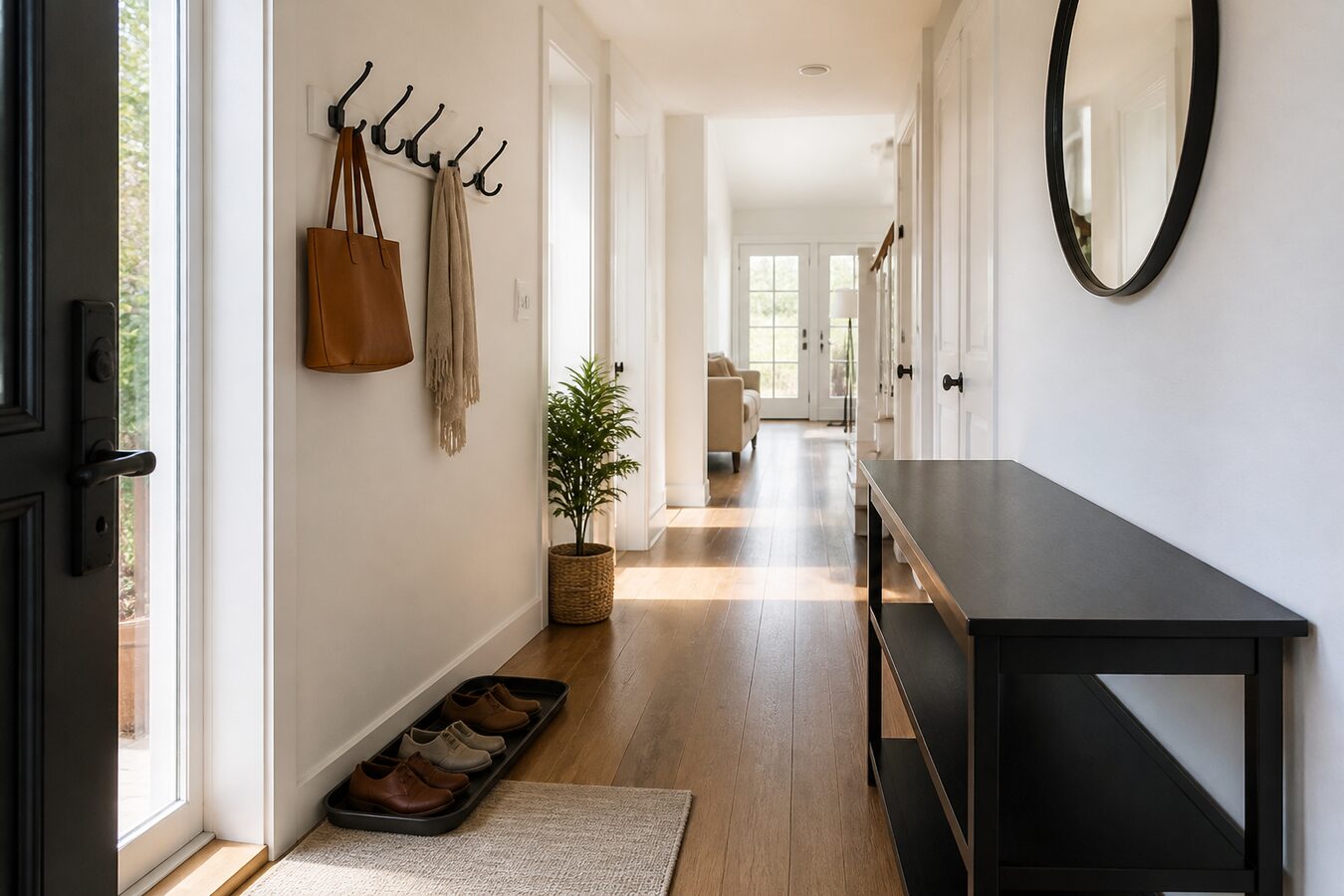
| 45-90 minutes | Closet one-shelf edit, tool drawer sort, entryway reset | $0-40 |
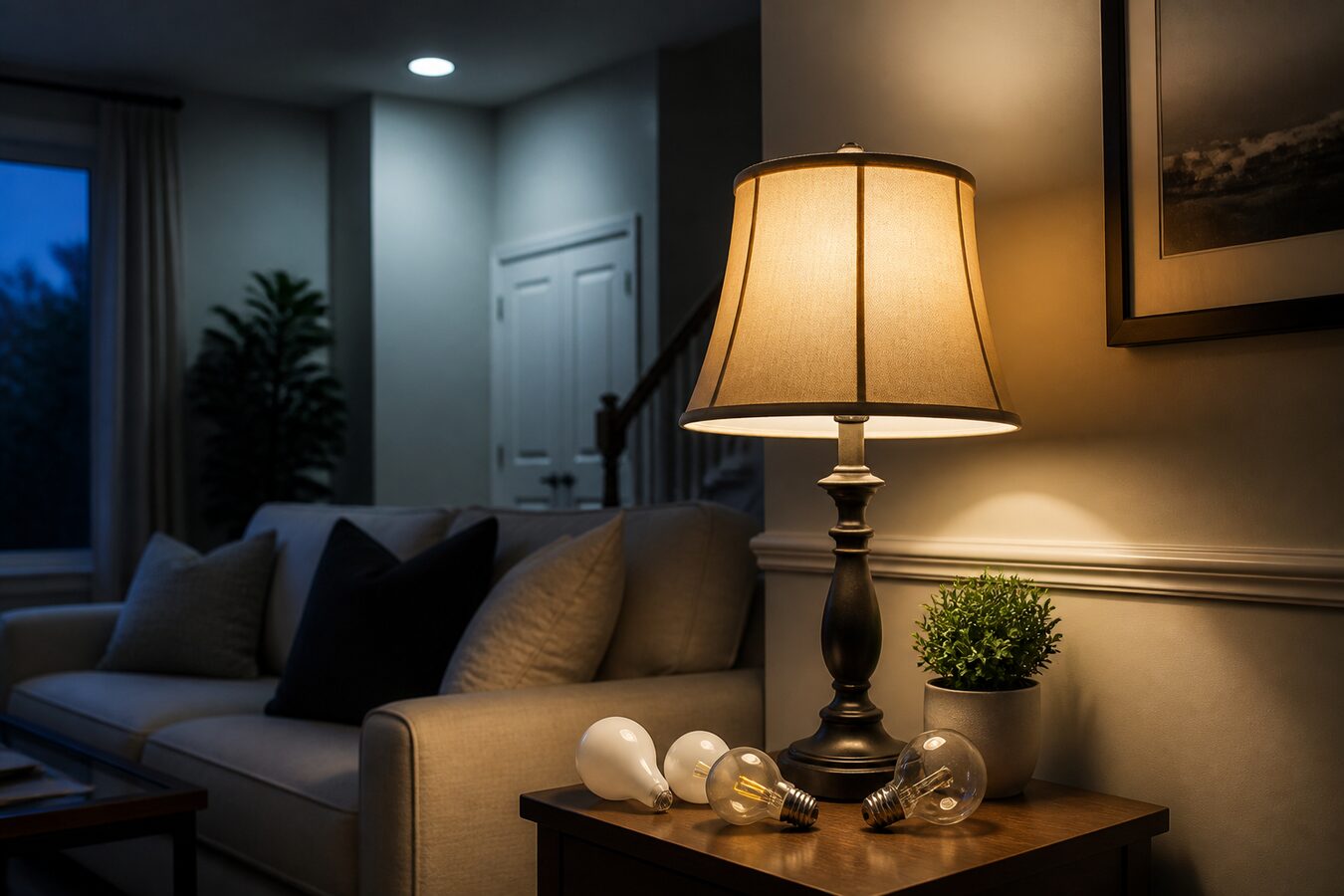
| 2-3 hours | Outdoor chair refresh, lamp and light audit, paper pile sort | $10-60 |
| One full day | Guest room ready-in-a-day | $15-60 |
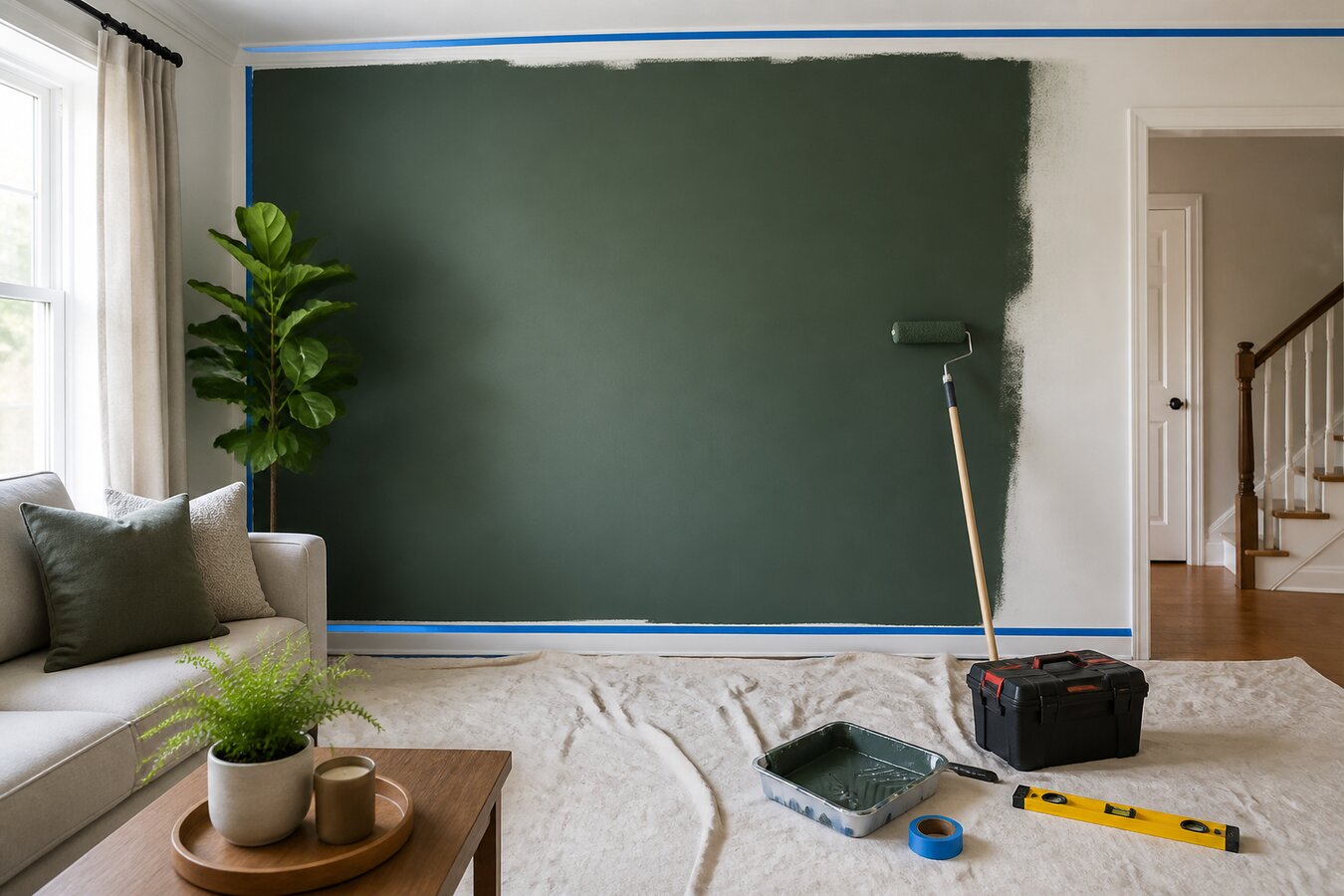
| A full weekend (Fri evening-Sun) | One-wall paint refresh | $40-150 |
Buying materials once, not twice
Estimate quantities generously (paint, hardware, bins) and buy about 10% more than the estimate — most hardware and paint stores accept returns on unopened items, so the cost of overbuying is usually just the trip, not the money. The cost of underbuying is a stalled project and a second trip that breaks momentum.
The stop/go checkpoint
Set a specific check-in time at roughly the halfway point of your planned project window. If you're on pace, continue as planned. If you're meaningfully behind, this is the moment to cut scope (finish one section well rather than three sections poorly) rather than push through fatigue into the evening — tool use and ladder work get measurably riskier when you're tired, which is part of why this checkpoint matters for safety, not just planning.
Basic tool and ladder safety
- Use a spotter for any ladder work, and keep the ladder away from power lines
- Maintain three points of contact when climbing, and never stand on the top rung or top step
- Wear safety glasses for any cutting, sanding, or drilling
- Stop and reassess if you're rushing near the end of your time window — fatigue and rushing are when careless tool mistakes are most likely to happen
Putting the room back together
Budget real time for cleanup in the original estimate, not as an afterthought — a project isn't finished until displaced furniture is back, tools are put away, and the space is usable again. This is often the step that gets skipped when a project runs long, which is exactly why the stop/go checkpoint above matters.
Common mistakes
- Starting a weekend-scale project with only an evening actually free
- Skipping the materials buffer and losing an hour to a second store run
- Ignoring the halfway checkpoint and pushing into fatigue-driven, less careful work
- Treating cleanup as optional rather than part of the project's time budget
Sources & further reading
Printable checklist
The One-Weekend Project Framework