Introduction
A meat sauce that simmers most of the afternoon rewards patience more than skill. The sauce itself needs about three hours of mostly unattended cooking, which means the real planning question is what you do with that stretch of time, not how complicated the recipe is.
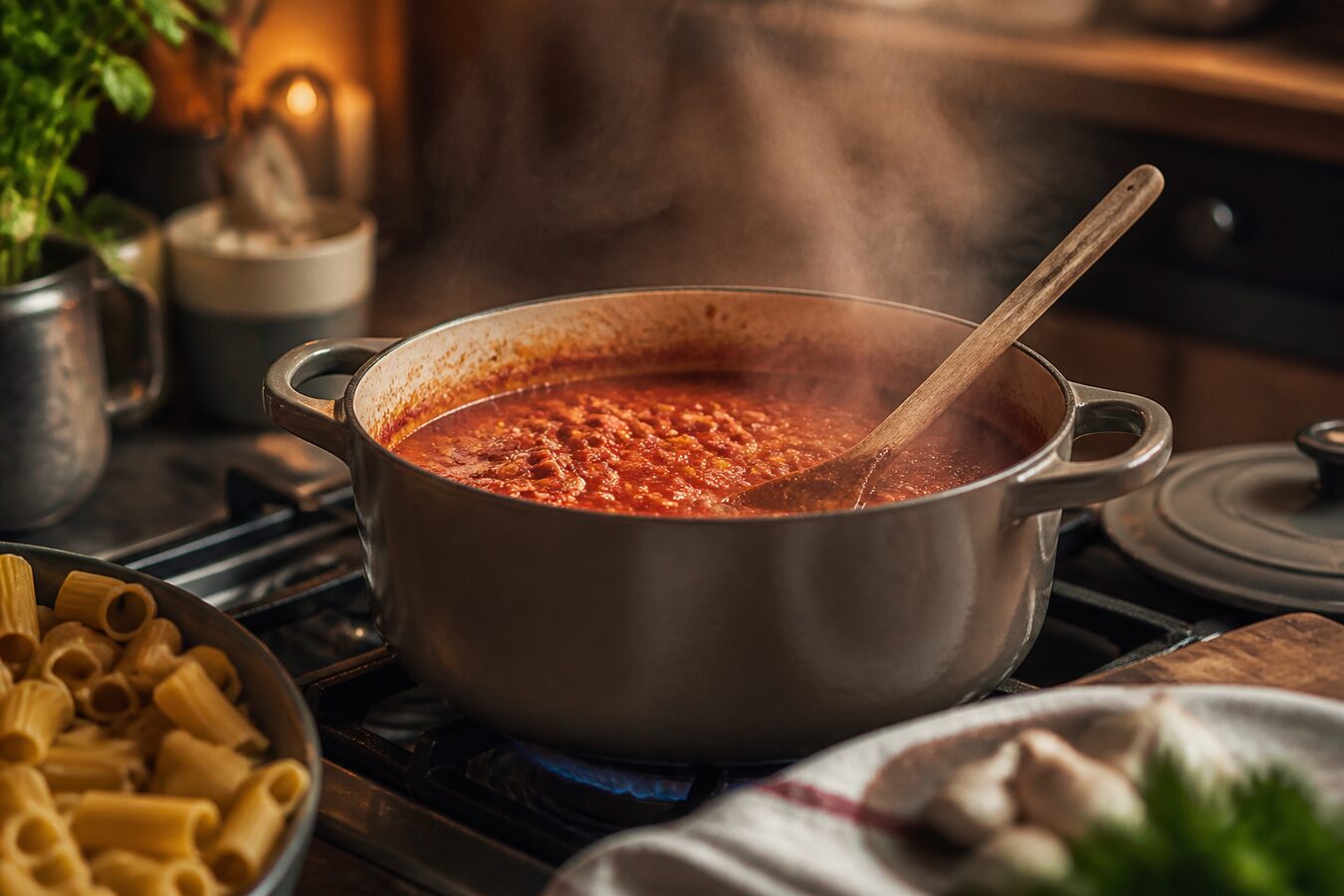
Brown the meat in batches so it browns instead of steams, deglaze with a splash of wine, and let the sauce reduce slowly rather than boiling it hard. The texture you are after is thick enough to coat a spoon without pooling, which usually takes longer than most recipes admit.
At a glance
- Who it’s for
- People who want slow tomato sauce with pasta to feel considered but not overproduced.
- Expected cost
- $30-$85 for 2-6 people; meat, wine, imported tomatoes, and cheese drive cost
- Time needed
- Prep 45 minutes; active cooking 50 minutes; total 3-4 hours
Supplies & preparation
- Dutch oven
- olive oil
- onion
- carrot
- garlic
- sausage or beef
- crushed tomatoes
- tomato paste
- pasta
- Parmesan
- salad greens
- bread
- ladle
- food containers
Step-by-step
-
Brown the meat in batches
Pat the meat dry and brown it in the Dutch oven in two or three batches over medium-high heat, leaving space between pieces. Crowding the pot causes it to steam instead of brown, which weakens the flavor of the whole sauce. Set each browned batch aside on a plate.
-
Build the base
Lower the heat and cook the onion, carrot, and garlic in the rendered fat until the onion is soft and translucent, about 8 minutes. Scrape up any browned bits stuck to the bottom of the pot — that fond is where most of the flavor lives.
-
Deglaze and add tomatoes
Return the meat to the pot, add the tomato paste, and stir it into the vegetables for a minute until it darkens slightly. Add the crushed tomatoes and a splash of the wine you're serving, then scrape the bottom of the pot again to release any remaining browned bits.
-
Simmer low and slow
Bring the sauce to a gentle simmer — a few lazy bubbles, not a boil — then partially cover and cook for 2.5 to 3 hours, stirring every 30 minutes or so. If it starts sticking to the bottom, add a splash of water and lower the heat further.
-
Season at the end, not the start
Taste the sauce in the last 20 minutes and adjust salt, pepper, and a small pinch of sugar if the tomatoes taste sharp. Seasoning early can make the sauce taste flat after hours of reduction, so hold back until the flavor has fully developed.
-
Cook the pasta separately and combine
Boil the pasta in well-salted water until just shy of al dente, then finish it in a wide pan with a ladle of sauce and a splash of the starchy pasta water. This step, more than any other, is what makes restaurant pasta taste different from a bowl of noodles with sauce poured over it.
-
Serve and store the rest
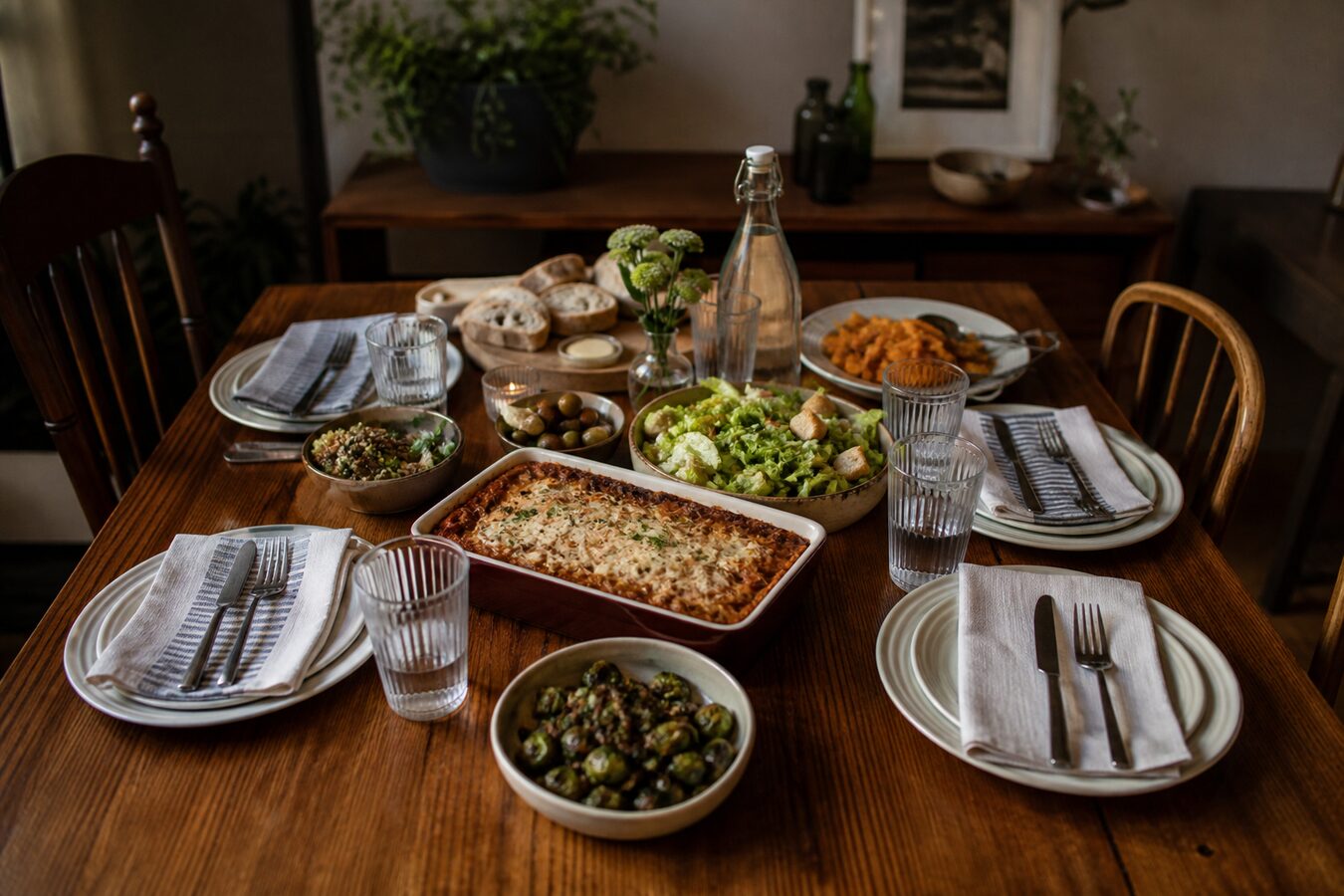
Plate immediately with grated Parmesan and let people help themselves to more sauce at the table rather than over-saucing the pasta in the pan. Cool leftover sauce before refrigerating; it holds well for up to four days and freezes well for up to three months.
Common mistakes
- Crowding the meat while browning, which steams it instead of building the deep flavor that a long simmer depends on.
- Boiling the sauce hard instead of holding it at a gentle simmer — a rolling boil breaks down the fat and leaves a greasy, separated sauce.
- Salting heavily at the start. Tomatoes concentrate as they reduce, and early salt often leaves the finished sauce too salty by the third hour.
- Cooking the pasta fully before combining it with sauce. Finishing slightly underdone pasta in the sauce lets it absorb flavor and thicken the dish naturally.
- Skipping the pasta water. A ladle of starchy cooking water is what binds sauce to noodles instead of leaving them sitting in a puddle.
Variations for different budgets
Budget
Use ground beef instead of a beef-and-sausage mix, skip the wine and deglaze with a splash of the pasta water instead, and use canned crushed tomatoes rather than imported ones. The technique matters more than the ingredient tier here.
Mid-range
Split the protein between mild Italian sausage and ground beef for more depth, add a rind of Parmesan to the pot while it simmers for extra body, and use a mid-range Chianti both in the sauce and at the table.
Splurge
Use San Marzano tomatoes, a mix of short ribs and sausage browned separately and shredded in near the end, and finish the sauce with a knob of butter off the heat for shine.
Practical considerations
Simmer sauce on low with the lid cracked to avoid splatter burns, keep pot handles turned inward away from the stove edge, and refrigerate leftovers within two hours.
Printable checklist
Sunday Sauce Night: A Dinner Ritual Worth Keeping Occasional